About
About the Mill
Nearly a thousand years of milling on one small island — and the story of how this extraordinary building was saved.
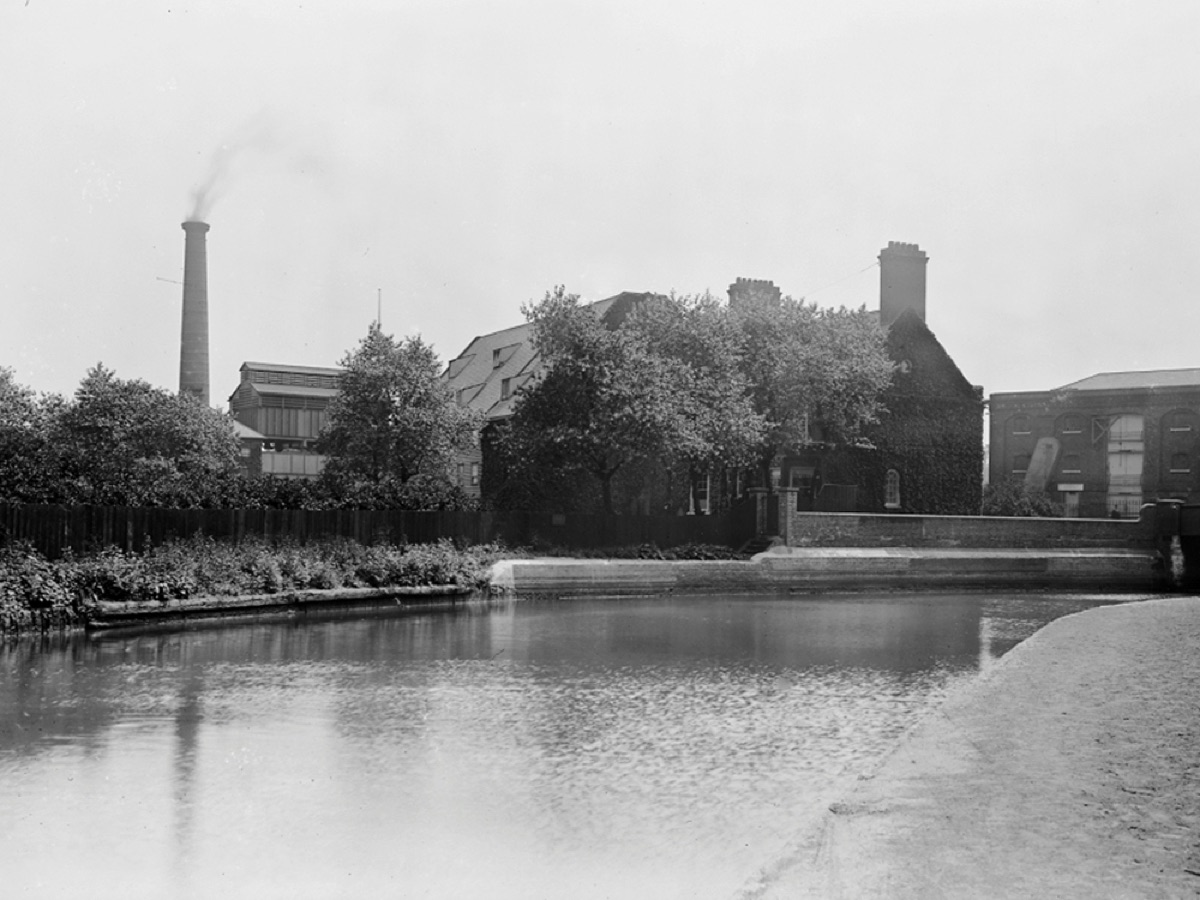
Built in 1776, the House Mill is the world’s largest surviving tidal mill — and one of the best-kept secrets in London. A riverside survivor of the early industrial age, it stands on a small island on the River Lea known since the Middle Ages as Three Mills.
A thousand years of milling
There have been mills on this island for a very long time. The Domesday Book recorded mills here in 1086, and the foundations beneath the present House Mill date back to around 1380–1420.
For centuries the mills ground flour for the bakers of Stratford-atte-Bow, who sold their bread in the City of London. There was the occasional exception: in 1588, the year of the Spanish Armada, a gunpowder mill on the site contributed to England’s war effort against Spain.
Gin, grain and the distillery
With the gin craze of the 18th century, the mills found a new purpose as part of the Three Mills Distillery. Holding supply contracts to the Royal Navy, the business prospered — with its own carpenters and coopers, and even a large farm of pigs fed on the waste from distilling.
It was in 1776 that the House Mill was rebuilt on the site of an earlier mill, standing between two houses — which is how it got its name. The neighbouring Clock Mill was rebuilt in 1817, and a third mill, a windmill, survived until about 1840.
In the 19th century the distillery passed to the MP Philip Metcalfe, and then in 1872 to J & W Nicholson & Co, makers of the once-famous Lamplighter Gin. The House Mill finally stopped grinding in 1941, after wartime bombing of the area; the Clock Mill opposite kept working until 1952.
Saved from demolition
In the 1970s the House Mill faced the wrecking ball — the site’s owners wanted to turn the land into a car park. It was rescued by the intervention of the Passmore Edwards Museum Trust, which took ownership of the building.
Renamed in the 1980s and now known as The House Mill Trust, the charity has worked ever since — with support from organisations including English Heritage — to repair and protect the mill.
The neighbouring Miller’s House, badly damaged in the Blitz and later demolished, was rebuilt in the 1990s to its original 1763 design, using many of the original bricks recovered from the site. It won a Civic Trust Commendation for architecture in 1996, and today provides a welcome, information and meeting space — and the Sunday café. The garden alongside was laid out with design ideas from pupils of the nearby Sarah Bonnell School.
Still at risk
For all her sturdy brick face, the mill is built of wood, and sits astride the tidal Lea exposed to every kind of weather. The heritage machinery and four great water wheels have stood silent since 1940, and the building is on the Heritage at Risk Register. Restoring her — and one day turning the wheels again — is the work of the Trust and its supporters. Find out how you can help →
Who runs the mill
The House Mill is owned and run by The House Mill Trust (Registered Charity No. 292336), a small board of volunteer trustees supported by a dedicated team of volunteer guides, gardeners, caterers and helpers. (Current trustee details are being confirmed — see the note for the Trust.)
The mill through the years
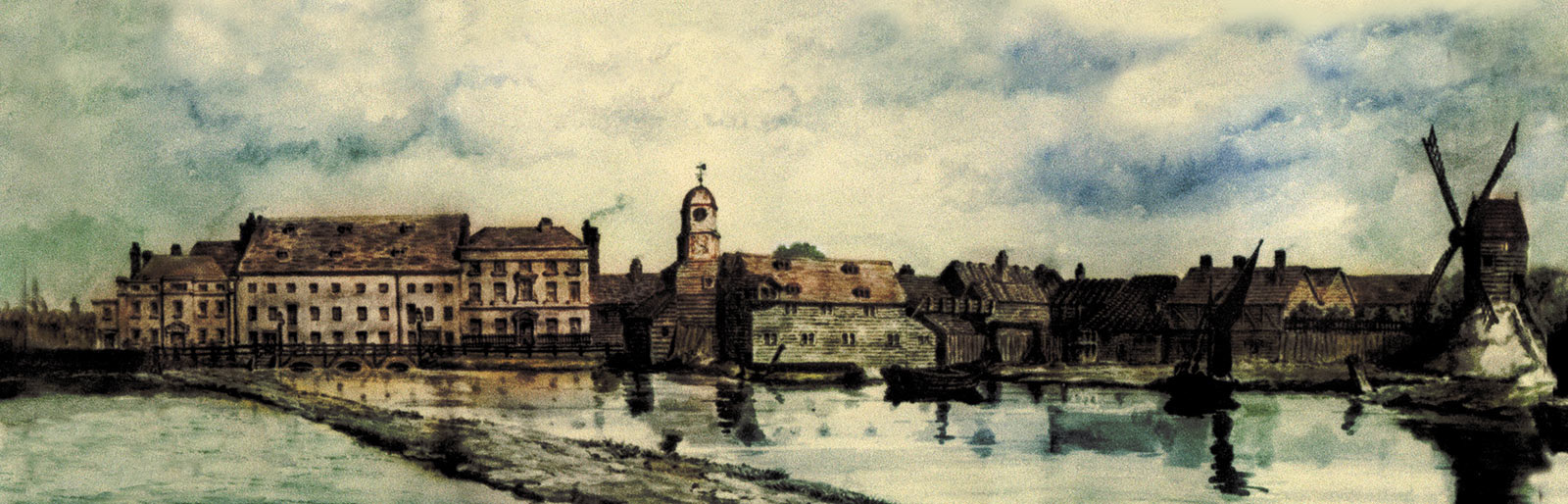
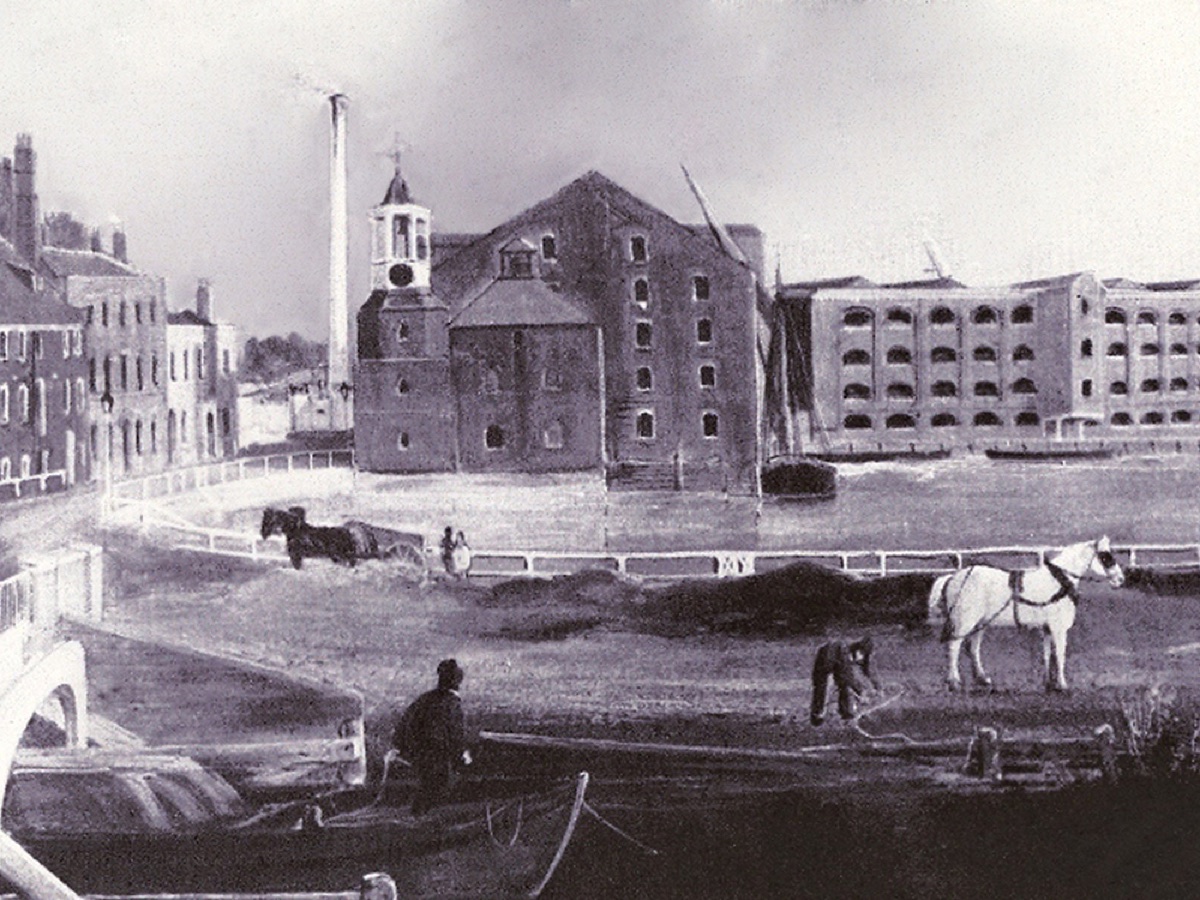
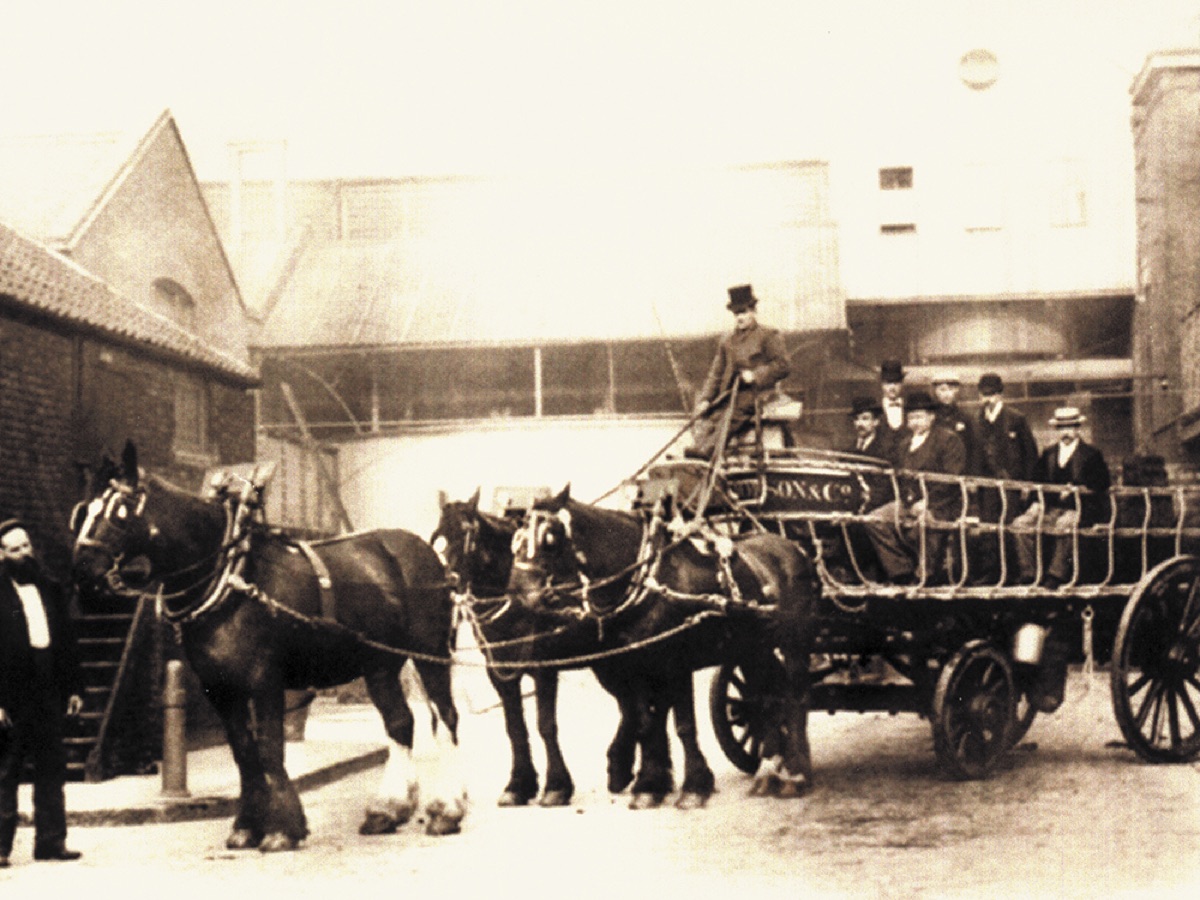
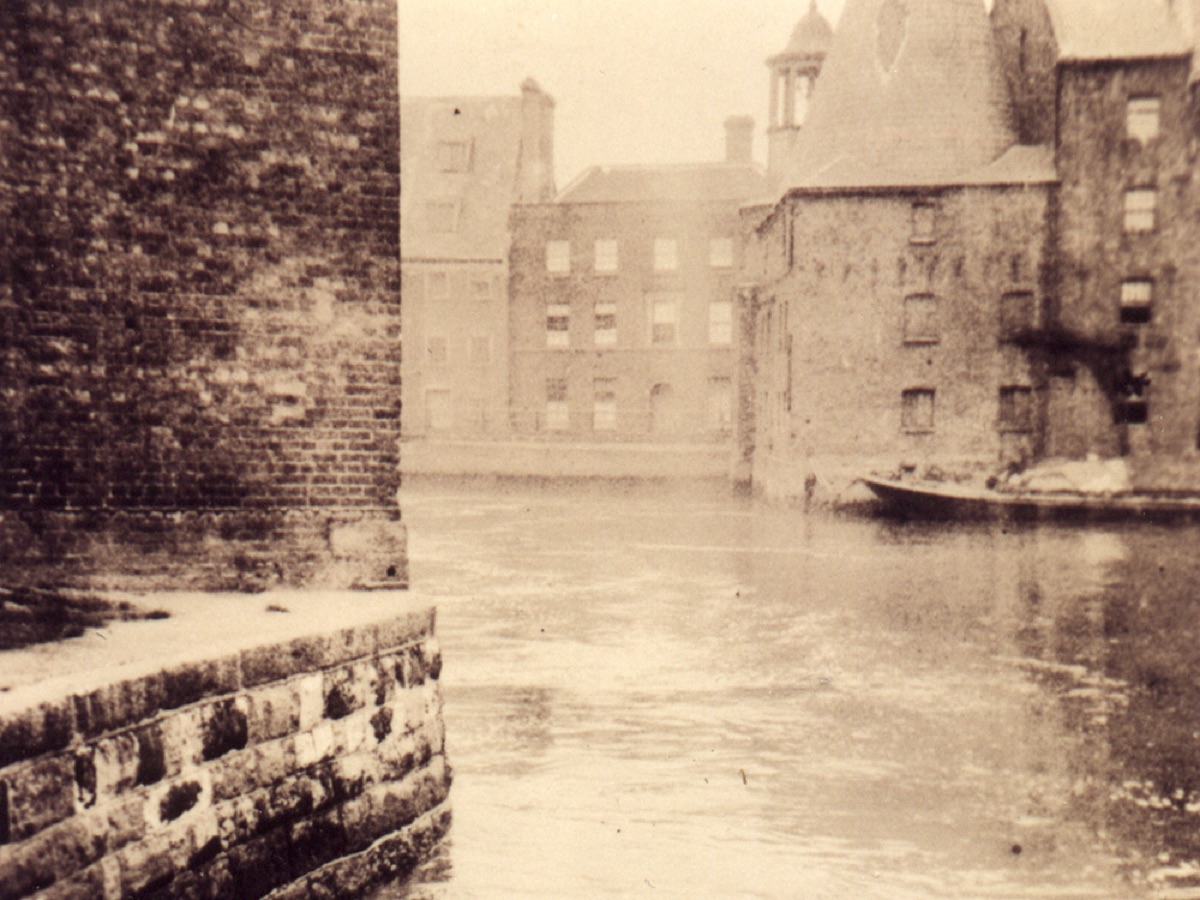
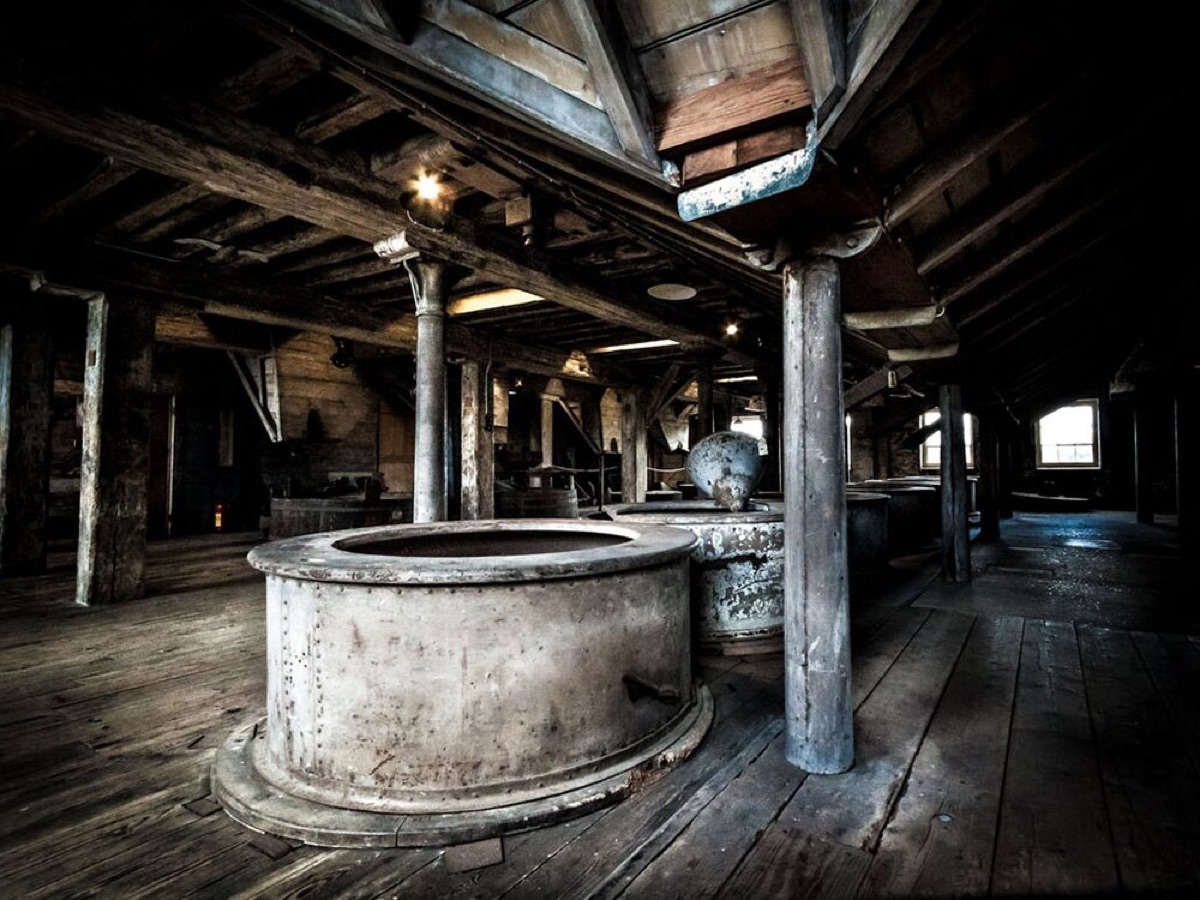
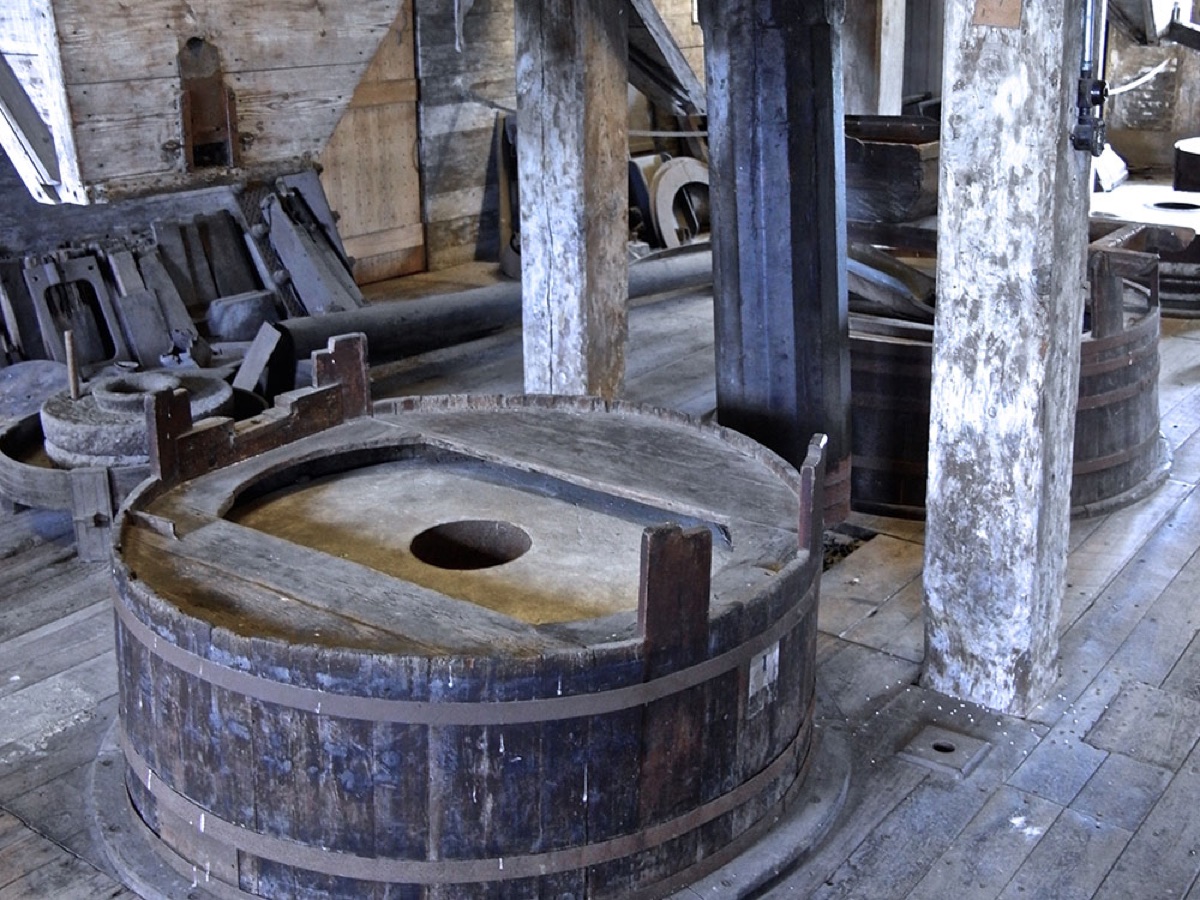
Historic images from the House Mill archive. Several photographs are credited to The Gentle Author and Tony Morrison.